
Highlights:
-
Begin any renovation with a clear plan, assessing layout, structural needs, and lifestyle requirements to ensure both functionality and style.
-
Focus on high-impact spaces like kitchens, bathrooms, and living areas, using thoughtful design and durable materials to maximize both aesthetics and practicality.
-
Blend modern design with comfort by incorporating natural materials, layered lighting, functional furniture, and balanced color schemes.
-
Preserve character in older homes by refinishing floors, updating trim, and mixing classic architectural elements with contemporary furnishings.
-
Extend the home’s livable space through well-designed outdoor areas, flexible layouts, smart storage solutions, and personalized décor.
-
Avoid common renovation mistakes by prioritizing structural updates, maintaining flow, and choosing timeless finishes that enhance long-term functionality.
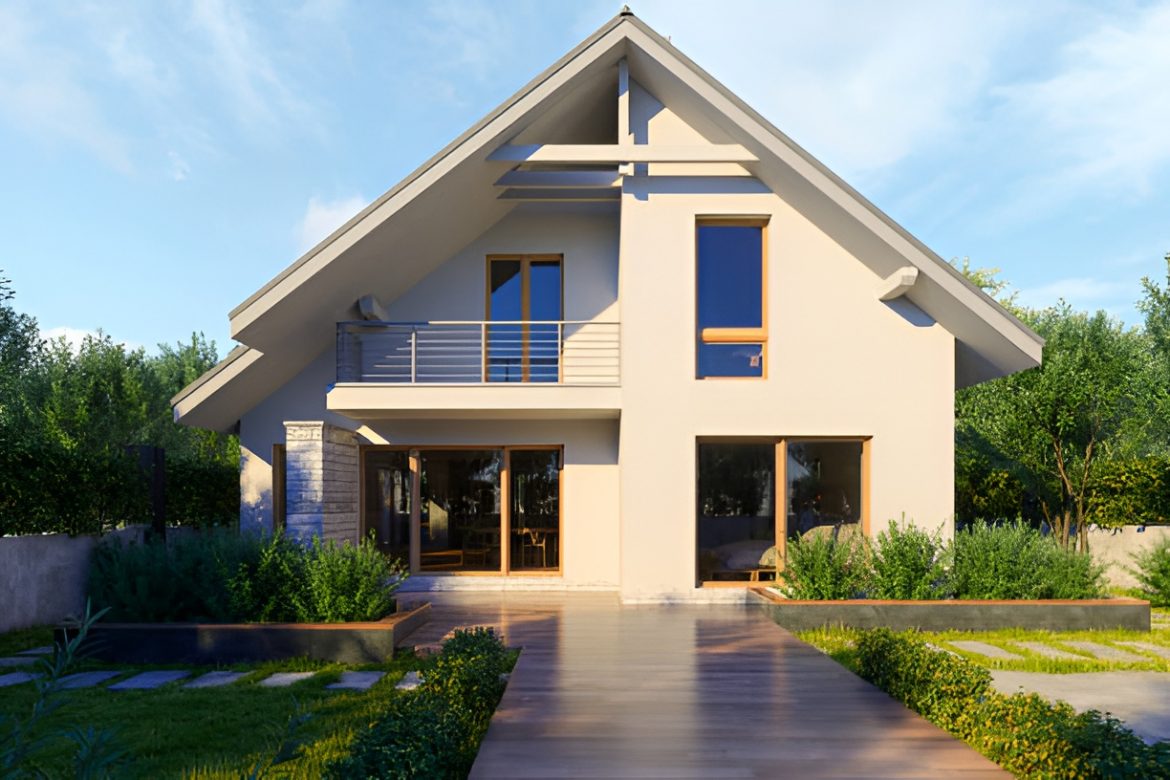
Transforming a suburban house into a stylish, functional home can feel overwhelming—but it doesn’t have to be. With the right plan, even older homes can become modern, cozy, and practical spaces that fit your lifestyle. From design choices to practical upgrades, a makeover can breathe new life into your property while making everyday living more enjoyable.
Why Consider a Modern Makeover for Your Suburban Home?
Many suburban homes were built decades ago with layouts and finishes that no longer fit modern life. Open floor plans, natural light, and energy-efficient systems have become standard expectations—but older houses often lack these features. A makeover is the perfect opportunity to:
-
Improve functionality for daily routines
-
Add modern comforts without losing the home’s character
-
Increase property value and curb appeal
-
Create spaces that feel fresh, inviting, and reflective of your personal style
Even small changes can make a big difference. Sometimes, simple design swaps like updating lighting, cabinetry, or flooring can instantly modernize a home.
Where Should You Start With Your Renovation?
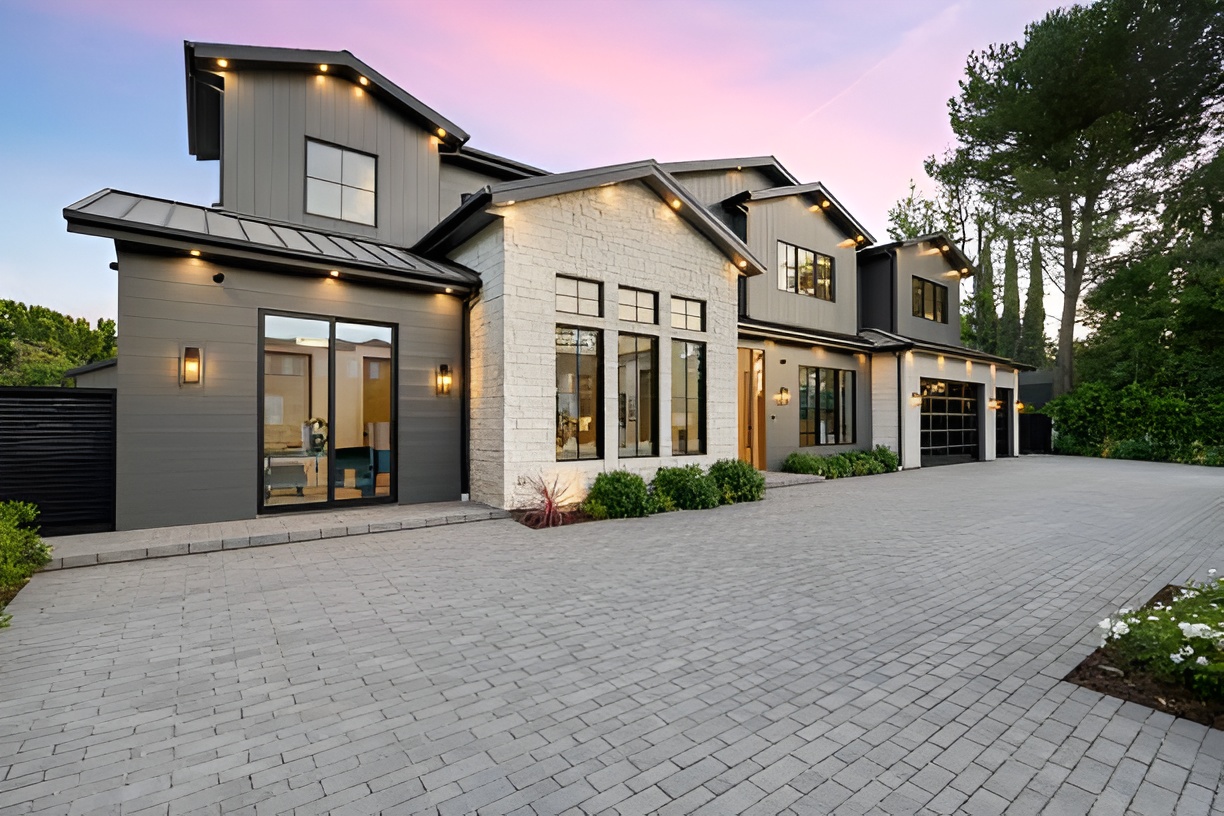
Before picking paint colors or appliances, start with a clear plan. Evaluate your home from both a functional and aesthetic perspective. Ask yourself questions about how your family actually lives in the space and what would make it work better for daily life.
-
Layout changes: Think about how you move through your home on a typical day. Are there awkward hallways, blocked sightlines, or cramped areas? Could a wall be removed to open up the kitchen to the living area, or could a seldom-used space be repurposed as a reading nook or home office? Open, flowing layouts can make your home feel larger and more welcoming.
-
Structural updates: Older homes often have hidden issues that need attention before cosmetic improvements. Consider the age and condition of your HVAC, plumbing, or electrical systems, as well as the roof, insulation, and foundation. Addressing these elements first prevents costly surprises later and ensures that new design choices are supported by a solid, long-lasting infrastructure.
-
Lifestyle needs: Modern living is diverse—families, remote workers, and entertainers all have different priorities. Ask yourself: Do you need extra storage to manage clutter? Would a dedicated home office improve productivity? Are there spaces where kids can play safely or guests can feel comfortable? Understanding these needs will shape the design and guide where you invest your time and budget.
Starting with these questions ensures that your makeover will address both style and function rather than just surface beauty.
How to Blend Modern Style With Comfort
Modern design doesn’t mean cold or impersonal. One of the keys to a successful suburban home makeover is creating spaces that are stylish and livable. Think about:
-
Materials that feel natural: Incorporate wood, stone, textiles, and other tactile materials to soften the clean lines of modern design. For example, a wooden coffee table or natural fiber rug can warm up a neutral living room, while stone countertops and tile backsplashes add texture without overwhelming the space.
-
Balanced color schemes: Start with a neutral foundation—soft whites, greys, or warm beiges—and layer in accent colors through pillows, rugs, or artwork. Pops of color bring personality and prevent the space from feeling sterile, while a cohesive palette maintains the modern aesthetic.
-
Layered lighting: Lighting is one of the most overlooked aspects of home design. Combine overhead lighting for general illumination, task lighting for reading or cooking, and accent lighting to highlight artwork, architectural features, or cozy corners. Dimmable lights or smart controls allow you to adjust brightness for different moods and activities, enhancing both style and functionality.
-
Functional furniture: Choose furniture that works as hard as it looks. Pieces with hidden storage, foldable desks, modular sofas, or expandable dining tables keep your space organized without compromising on style. Functional furniture is particularly valuable in suburban homes with varying family needs—making it easy to switch from a quiet home office to a lively entertaining space.
It’s important to remember that beauty alone isn’t enough. A home must feel good to live in. This is where modern home upgrades for comfort can transform your living experience, from cozy living rooms to stress-free kitchens.
Updating the Kitchen and Bathrooms
Kitchens and bathrooms are two areas where modern makeovers have the biggest impact. Older layouts can feel cramped or outdated, so consider:
-
Open shelving or glass cabinets: Replacing bulky upper cabinets with open shelving or glass-front cabinets instantly lightens the room and showcases your favorite dishware. It’s a simple change that makes the space feel larger, airier, and more contemporary. Pair these shelves with under-cabinet lighting for both style and practical task illumination.
-
Energy-efficient appliances: Modern kitchens benefit from appliances that save on energy and water, including refrigerators, ovens, dishwashers, and even microwaves. Choosing smart, efficient appliances reduces utility costs and contributes to a sustainable home without sacrificing performance or aesthetics.
-
Modern fixtures: Small details like sleek sinks, touchless faucets, and minimalist cabinet hardware can completely modernize the space. In bathrooms, consider upgrading to rain showerheads, frameless glass enclosures, or floating vanities, which create a spa-like atmosphere while maintaining clean lines and a clutter-free look.
-
Durable countertops and flooring: High-traffic rooms demand materials that can stand up to daily wear. Quartz, granite, or engineered stone countertops offer durability and style, while luxury vinyl planks or ceramic tiles provide low-maintenance flooring options that complement your modern design.
In bathrooms, upgrades like rain showerheads, frameless glass showers, or floating vanities can add a spa-like experience while maintaining a clean, contemporary look.
How Can Older Homes Stay Modern Without Losing Charm?
Older suburban homes often come with unique character—fireplaces, moldings, built-in cabinetry, or other architectural details—that newer homes may lack. The key is integrating these features into a modern design rather than removing them. Doing so preserves personality while bringing the home up to date.
-
Refinishing original hardwood floors: Instead of ripping out old floors, sanding and refinishing them can restore warmth and richness to your space. This not only keeps historical character intact but also pairs beautifully with contemporary furnishings and decor.
-
Fresh paint on trim and moldings: Painting existing trim, doors, and moldings in neutral or modern shades can dramatically refresh a room. It balances old-world charm with a modern aesthetic, allowing architectural details to stand out without feeling outdated.
-
Blending classic and contemporary elements: Pair traditional fireplaces, wainscoting, or crown moldings with modern furniture, lighting, and textiles. For example, a sleek leather sofa in a living room with ornate woodwork creates a sophisticated contrast, keeping the space both stylish and livable.
-
Smart integration: Older homes can benefit from subtle updates like adding energy-efficient windows, improved insulation, or discreet smart home technology. These modern upgrades for older homes enhance comfort and functionality while respecting the original character.
Remember, the goal is to honor the history and personality of the home while introducing modern conveniences and aesthetics.
Living Spaces That Balance Form and Function
Family rooms, dens, and living areas should feel inviting while supporting everyday activities. Ideas to achieve this balance:
-
Flexible layouts: Use moveable furniture, modular sofas, or lightweight chairs to allow rooms to adapt for gatherings, work-from-home setups, or kids’ play areas. Consider furniture that can double as seating and storage, like ottomans with hidden compartments.
-
Built-in storage: Shelving, cabinets, and multipurpose units reduce clutter without taking up extra floor space. For example, a built-in media wall can house electronics, books, and decorative items, keeping the space organized while maintaining a sleek, modern look.
-
Comfortable seating: Incorporate a mix of sofas, armchairs, and cozy lounge chairs to create an inviting environment. Add throw blankets, textured pillows, and area rugs to make the space feel warm and approachable.
-
Zone definition: Open floor plans make rooms feel spacious but can sometimes feel impersonal. Define areas with rugs, lighting, or furniture arrangements. For example, a rug under the coffee table anchors the seating area, while a console table behind a sofa separates a small home office nook.
Open floor plans can make spaces feel larger, but defining zones with rugs, lighting, or furniture arrangements keeps rooms practical and cozy.
Enhancing Bedrooms for Modern Comfort
Bedrooms should be retreats that promote rest and relaxation. Consider:
-
Calming color palettes: Soft neutrals, muted pastels, or gentle earth tones create a soothing environment. Accent walls or textured wallpapers can add depth without overwhelming the space.
-
Layered lighting: Incorporate ambient lighting for general illumination, task lighting for reading or work, and accent lighting for mood. Bedside lamps, pendant lights, or wall sconces can enhance both form and function.
-
Smart storage solutions: Maximize space with under-bed drawers, built-in wardrobes, or multifunctional furniture. Organized bedrooms reduce clutter and promote a sense of calm.
-
Window treatments: Choose treatments that balance natural light with privacy. Layering blinds with sheer curtains can give flexibility for different times of day while complementing your décor.
Even subtle upgrades—like updating door handles, closet organization, or bedding textures—can make a room feel modern and luxurious.
Outdoor Spaces Matter Too
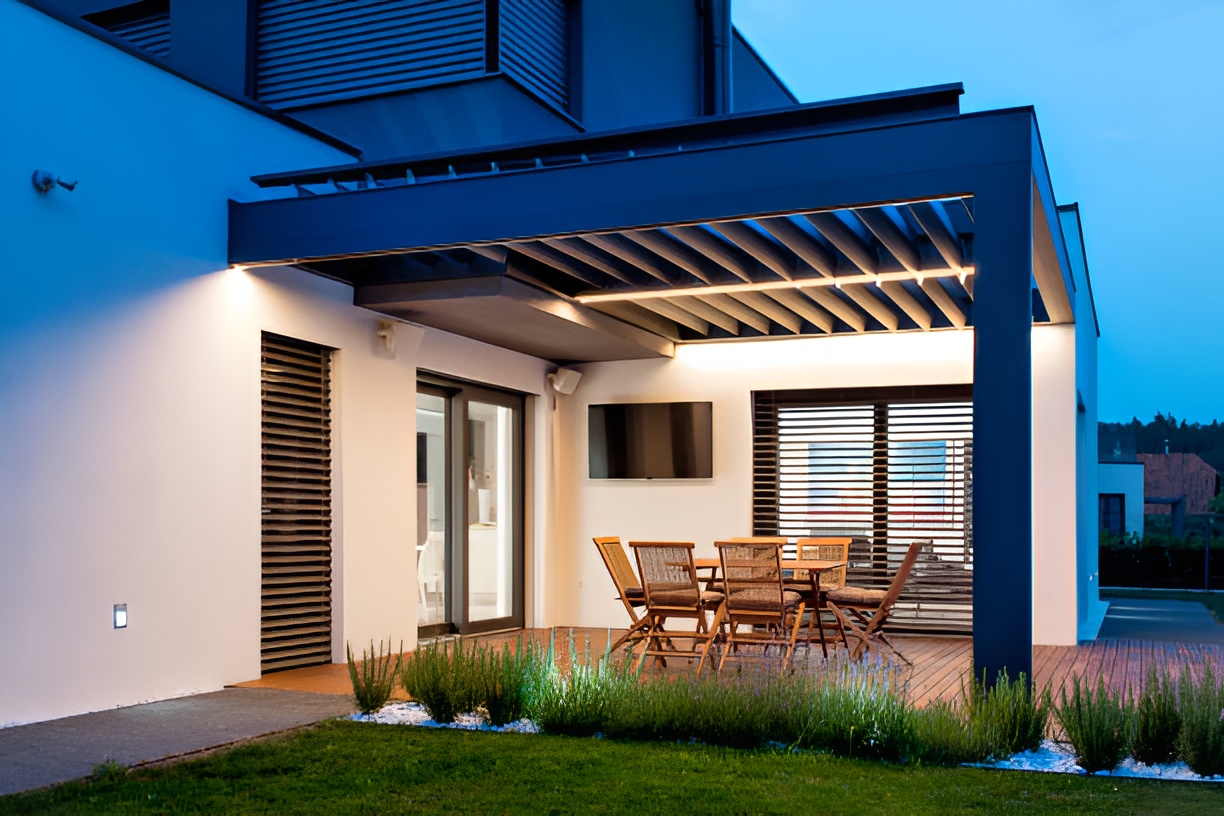
A suburban home makeover isn’t complete without attention to exterior spaces. Outdoor areas expand living space, improve curb appeal, and encourage time spent in nature. Ideas include:
-
Patios and decks: Modern seating, outdoor rugs, and versatile tables create comfortable spots for dining, reading, or hosting guests. Consider modular furniture that can be rearranged for different occasions.
-
Low-maintenance landscaping: Use native plants, shrubs, and hardscaping to create visually appealing outdoor areas that are easy to maintain. Incorporate mulch, gravel paths, or pavers to minimize upkeep.
-
Outdoor lighting: Safety and aesthetics go hand-in-hand. String lights, lanterns, and motion-sensor pathway lights enhance ambiance and ensure your outdoor space is functional after dark.
-
Functional garden structures: Pergolas, trellises, and storage sheds can add architectural interest while improving usability. Even small updates like painting fences, adding planters, or refreshing garden beds can make a big visual impact.
Even small updates like repainting fences or adding planters can dramatically elevate the look of your property.
Smart Home Technology for Everyday Convenience
Modern suburban homes benefit greatly from technology upgrades. Smart home solutions can improve comfort, security, and efficiency:
-
Thermostats and climate control: Smart thermostats let you regulate temperature for different rooms, improving energy efficiency and creating a comfortable environment year-round.
-
Security systems: Cameras, smart locks, and motion sensors provide peace of mind and allow remote monitoring. Integrated systems can alert you to unusual activity instantly.
-
Lighting controls: Smart lighting allows you to adjust brightness, color, or schedules with a touch of a button or a voice command. This flexibility helps set mood, save energy, and enhance daily living.
-
Voice-activated assistants: From managing reminders to controlling music or appliances, voice assistants streamline daily tasks, making the home more convenient and modern.
These updates make daily life easier and can increase the value of your home without a major remodel.
Flooring and Lighting: Foundations of Style and Function
Two often-overlooked elements are flooring and lighting. Both influence the overall feel and usability of your home:
-
Flooring: Consider durable, easy-to-clean options like hardwood, laminate, or luxury vinyl that complement the design while standing up to family life
-
Lighting: A combination of natural light, ceiling fixtures, and accent lighting creates spaces that are inviting, well-lit, and functional
Replacing or updating these foundational elements early in a renovation sets the stage for a cohesive and modern design.
How to Personalize Your Modern Suburban Makeover
Your home should reflect your personality and lifestyle. Personalization tips include:
-
Art and décor that tell a story or highlight your interests
-
Mixing textures to create warmth and visual interest
-
Statement pieces like bold furniture, patterned rugs, or accent walls
-
Custom storage solutions that fit your family’s habits and needs
A modern makeover doesn’t have to be cookie-cutter; individuality is what makes a house truly feel like home.
Budget-Friendly Tips Without Compromising Style
Not every homeowner has an unlimited budget, but a thoughtful approach can achieve a modern makeover without overspending:
-
Focus on high-impact areas like kitchens, bathrooms, and living spaces first
-
Use paint, hardware, and lighting to refresh spaces inexpensively
-
Upcycle or repurpose furniture and materials for unique, stylish touches
-
Prioritize upgrades that add value or improve daily life
Smart planning ensures that your investment creates both style and long-term functionality.
Common Pitfalls to Avoid During a Makeover
Even experienced renovators can make mistakes. Common pitfalls include:
-
Overcomplicating layouts with too many walls or partitions
-
Choosing trendy finishes that won’t age well
-
Neglecting structural or system updates before cosmetic changes
-
Forgetting the home’s flow and how daily life will work in new spaces
Keeping a clear vision and practical priorities in mind helps you avoid these mistakes.
Final Thoughts
Blending style and function in a suburban home is a balancing act—but it’s achievable with a clear plan, thoughtful design, and strategic upgrades. From structural updates to cozy living spaces and smart outdoor areas, a makeover can transform both the aesthetics and livability of your home. By focusing on comfort, practicality, and personal style, your modern suburban home can become a place you love to live in every day.