
Introduction
Upgrading your home is one of the most impactful ways to improve daily comfort, increase property value, and create a space that truly reflects your lifestyle. Whether you’re making small improvements or planning a full-scale renovation, a strategic approach ensures your investment delivers long-term benefits. Many homeowners jump into projects without a clear plan, which can lead to delays, unexpected costs, and unsatisfactory results.
A successful home upgrade involves more than choosing finishes or hiring contractors—it requires thoughtful planning, prioritization, and coordination. From evaluating your current space to integrating modern technology and improving functionality, each decision plays a role in the final outcome. By understanding the process and working with the right professionals, you can transform your home efficiently and effectively.
This guide provides a comprehensive look at how to approach home improvements with confidence. You’ll find actionable strategies, practical tips, and expert insights to help you navigate every stage of the process—from initial evaluation to final touches.
Start with a Thorough Property Evaluation Before Any Upgrades
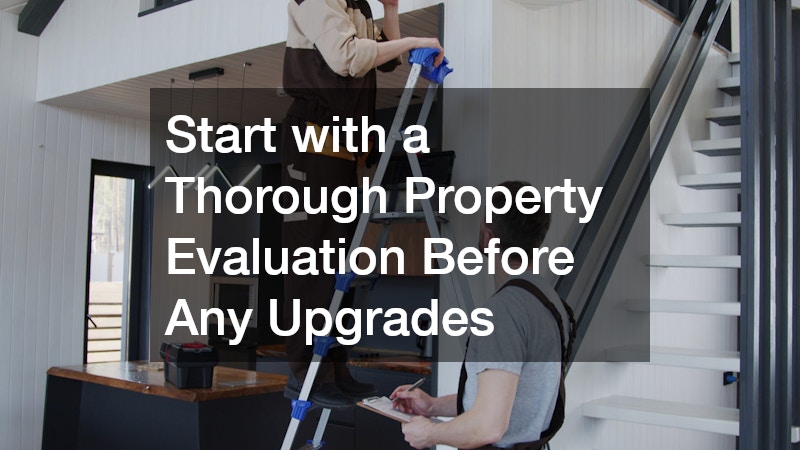
Before making any improvements, it’s essential to understand the current condition of your home. Working with a home inspection company provides a detailed assessment of structural elements, systems, and potential problem areas that may not be visible at first glance.
A professional inspection helps uncover issues such as outdated wiring, plumbing concerns, roof damage, or foundation weaknesses. Addressing these problems early ensures your upgrades are built on a solid foundation rather than covering up underlying issues.
Key benefits of starting with an inspection include:
- Identifying safety hazards that require immediate attention
- Prioritizing repairs versus aesthetic upgrades
- Avoiding costly surprises during renovation projects
- Creating a realistic budget based on actual conditions
When reviewing an inspection report, focus on high-priority concerns first. Structural issues, moisture problems, and outdated systems should take precedence over cosmetic improvements.
Tips for maximizing your inspection:
- Attend the inspection if possible to ask questions in real time
- Request a detailed written report with photos
- Use the report as a planning tool for future upgrades
- Reassess periodically if renovations are completed in phases
Starting with a thorough evaluation ensures that every improvement you make is supported by a safe and stable structure.
Build a Solid Plan and Timeline for Your Project
Once you understand your home’s condition, the next step is creating a clear and organized plan. A general contractor can help manage the entire process, coordinating multiple trades and ensuring each phase of the project runs smoothly.
Planning involves more than setting a start date. It requires defining your goals, establishing priorities, and creating a timeline that aligns with your budget and lifestyle.
Important planning steps include:
- Defining the scope of your project
- Setting a realistic budget with contingency funds
- Scheduling work in logical phases
- Securing necessary permits and approvals
A contractor can also help identify potential challenges before they arise. For example, certain upgrades may require structural modifications or code compliance adjustments. Addressing these factors early prevents delays later.
Effective communication is critical throughout the project. Regular updates, progress checks, and clear expectations ensure everyone involved stays aligned.
Tips for successful project planning:
- Break large projects into manageable phases
- Order materials in advance to avoid delays
- Establish a clear chain of communication
- Document all agreements and changes
A well-structured plan not only reduces stress but also improves efficiency, helping you achieve your desired results on time and within budget.
Refresh Interior and Exterior Spaces with Professional Finishes
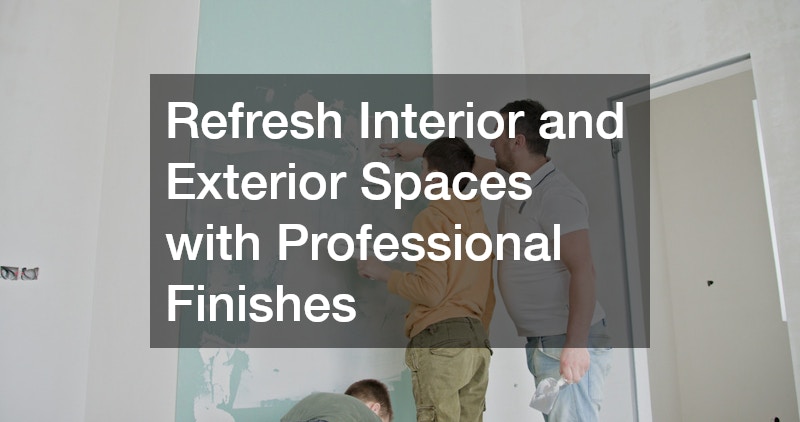
Updating your home’s appearance can dramatically improve its overall feel and value. Skilled painters bring expertise that ensures smooth, durable finishes and professional results that last.
Painting is more than applying color—it involves careful preparation, proper techniques, and the use of high-quality materials. Surface preparation is especially important, as it directly impacts the longevity of the finish.
Steps involved in a successful painting project:
- Cleaning and repairing surfaces before painting
- Sanding and priming for better adhesion
- Selecting appropriate paint types for each surface
- Applying even coats for a consistent finish
Color selection also plays a significant role in transforming a space. Lighter tones can make rooms feel larger and brighter, while darker shades add depth and character. Accent walls and coordinated color schemes help create visual interest and cohesion.
Maintenance tips to preserve painted surfaces:
- Clean walls periodically to remove dust and stains
- Address chips or cracks promptly
- Use touch-up paint to maintain appearance
- Avoid excessive moisture in painted areas
Investing in professional painting enhances both aesthetics and durability, making it one of the most effective ways to refresh your home.
Integrate Technology to Improve Comfort and Efficiency
Modern homes are increasingly incorporating smart home systems to enhance convenience, security, and energy efficiency. These technologies allow homeowners to control various aspects of their home remotely or through automated settings.
Common features include smart thermostats, lighting systems, security cameras, and voice-controlled assistants. These tools not only improve comfort but also help reduce energy consumption and utility costs.
Benefits of integrating smart technology:
- Remote control of home systems via mobile devices
- Automated scheduling for lighting and temperature
- Enhanced security through monitoring and alerts
- Improved energy efficiency and cost savings
When selecting technology, consider compatibility and scalability. Systems that can expand over time provide greater flexibility as your needs evolve.
Installation considerations:
- Ensure strong and reliable Wi-Fi connectivity
- Work with professionals for complex systems
- Integrate devices for seamless operation
- Test functionality before full implementation
Maintenance and updates are also important. Regular software updates ensure optimal performance and security.
By incorporating smart technology, you can create a more efficient, comfortable, and future-ready home.
Upgrade Living Spaces for Better Functionality and Flow
Improving how your home functions is just as important as enhancing its appearance. Home remodeling services focus on optimizing layouts, improving storage, and creating spaces that better suit your lifestyle.
Many older homes have layouts that no longer meet modern needs. Opening up spaces, improving traffic flow, and increasing natural light can significantly enhance usability.
Key strategies for improving functionality:
- Removing non-structural walls to create open layouts
- Reconfiguring rooms to maximize usable space
- Adding built-in storage solutions
- Improving lighting and ventilation
Balancing aesthetics with practicality is essential. While design trends can inspire your choices, functionality should remain the priority.
Tips for successful remodeling:
- Plan for both current and future needs
- Choose durable materials for high-traffic areas
- Incorporate flexible design elements
- Work with experienced professionals for guidance
Thoughtful remodeling transforms your home into a space that supports your daily routines while enhancing overall comfort.
Design a More Functional and Stylish Cooking Space

The kitchen is often considered the heart of the home, making it a key focus for upgrades. Kitchen remodeling projects improve both functionality and visual appeal, creating a space that supports cooking, entertaining, and daily living.
A well-designed kitchen starts with an efficient layout. The work triangle—connecting the sink, stove, and refrigerator—should allow for smooth movement and accessibility.
Kitchen cabinets play a crucial role in both storage and design. Choosing the right style, material, and finish can dramatically impact the overall look and usability of the space.
Important considerations include:
- Maximizing storage with custom or semi-custom cabinetry
- Incorporating pull-out shelves and organizers
- Selecting durable materials that withstand daily use
- Coordinating finishes with countertops and appliances
Additional upgrades to consider:
- Energy-efficient appliances
- Improved lighting for task and ambient use
- Durable and easy-to-clean surfaces
- Smart storage solutions to reduce clutter
A thoughtfully designed kitchen enhances efficiency, increases home value, and creates a welcoming environment for family and guests.
Create a Comfortable and Modern Bathroom Environment
Bathrooms are essential spaces that benefit greatly from thoughtful upgrades. Working with a bathroom remodeling company ensures that improvements are both functional and visually appealing.
Key elements of a successful bathroom upgrade include proper ventilation, efficient layouts, and durable materials. Moisture resistance is especially important to prevent mold and long-term damage.
Consider the following improvements:
- Installing modern fixtures and water-saving features
- Upgrading lighting for better visibility
- Adding storage solutions to reduce clutter
- Improving ventilation to control humidity
Accessibility is another important factor. Features such as walk-in showers, grab bars, and non-slip flooring enhance safety for users of all ages.
Maintenance tips:
- Clean surfaces regularly to prevent buildup
- Inspect seals and caulking for wear
- Address leaks promptly
- Use proper ventilation to reduce moisture
A well-designed bathroom combines comfort, efficiency, and style, making it a valuable addition to any home.
Expand Usable Space with Outdoor Enhancements
Outdoor areas can be transformed into functional living spaces with the addition of a patio enclosure. These structures provide protection from the elements while allowing you to enjoy fresh air and natural light year-round.
Enclosed patios can serve multiple purposes, including:
- Entertainment areas for gatherings
- Relaxation spaces for personal use
- Dining areas with outdoor ambiance
- Transitional spaces between indoor and outdoor living
Design considerations include:
- Choosing materials that withstand weather conditions
- Incorporating ventilation and lighting
- Ensuring proper insulation for year-round comfort
- Matching the design to your home’s architecture
Maintenance tips:
- Clean surfaces regularly
- Inspect structural components for wear
- Maintain seals and weatherproofing
- Address minor repairs promptly
Expanding outdoor living space enhances both functionality and property value, creating a versatile area for various activities.
Choose Durable and Attractive Flooring for Every Room

Flooring plays a major role in both the appearance and functionality of your home. Vinyl flooring installation has become increasingly popular due to its durability, affordability, and versatility.
Modern vinyl options offer a wide range of styles, including designs that mimic hardwood, stone, or tile. These materials provide a practical solution for high-traffic areas and moisture-prone spaces.
Advantages of vinyl flooring include:
- Resistance to water and stains
- Easy maintenance and cleaning
- Comfortable underfoot
- Cost-effective compared to other materials
Installation considerations:
- Preparing the subfloor for a smooth surface
- Ensuring proper alignment and spacing
- Allowing materials to acclimate before installation
Maintenance tips:
- Sweep and mop regularly
- Avoid harsh chemicals that can damage the surface
- Use protective pads under furniture
- Address spills promptly
Choosing the right flooring enhances comfort, improves durability, and contributes to a cohesive design throughout your home.
Coordinate Multiple Projects for Maximum Efficiency
Managing multiple upgrades at once can be challenging, but a coordinated approach improves efficiency and reduces costs. By planning projects strategically, you can minimize disruptions and achieve better results.
Benefits of coordination include:
- Reduced labor costs through combined efforts
- Shorter overall project timelines
- Consistent design across different areas
- Improved communication among contractors
Tips for managing multiple projects:
- Create a detailed schedule with clear milestones
- Prioritize tasks based on urgency and dependencies
- Maintain open communication with all professionals
- Monitor progress regularly and address issues quickly
Organization is key to success. Keeping records of contracts, timelines, and expenses helps ensure everything stays on track.
A well-coordinated approach allows you to complete upgrades efficiently while maintaining quality and consistency.
Conclusion
Upgrading your home is a rewarding process that combines creativity, planning, and practical decision-making. By taking a strategic approach and focusing on both functionality and design, you can create a space that meets your needs while increasing long-term value.
From initial evaluations to final finishes, every step plays a role in achieving a successful outcome. Working with experienced professionals, prioritizing essential improvements, and maintaining a clear plan ensures your projects stay on track.
With the right approach, your home can become a more comfortable, efficient, and enjoyable space that supports your lifestyle for years to come.
Beyond the immediate benefits, thoughtful upgrades also contribute to long-term financial stability. Well-executed improvements can increase resale value, attract potential buyers, and reduce ongoing maintenance costs. Energy-efficient upgrades, in particular, can lead to significant savings over time, making your home more sustainable and cost-effective to operate.
Consistency is key when it comes to maintaining your investment. Establishing a routine maintenance schedule helps preserve the quality of renovations and prevents minor issues from turning into major repairs. Regular inspections, timely touch-ups, and proactive care ensure that your home continues to perform at its best.
It’s also important to remain flexible throughout the process. Unexpected challenges can arise, but adapting your plans and working closely with trusted professionals will help you navigate these situations successfully. Open communication and a willingness to adjust timelines or priorities can make a significant difference in the overall experience.
Ultimately, a well-upgraded home is one that reflects your personal style while delivering comfort, efficiency, and reliability. By staying organized, informed, and proactive, you can enjoy the full benefits of your improvements and create a living space that truly enhances your everyday life.